
An inclusive programme for students, amateur astronomers and space enthusiasts, without access to equipment, to explore exoplanets using remote telescopes. No previous experience in astronomy is required.
ExoClock welcomes observations from people with access to a telescope. ExoClock Unlocked provides remote telescope access and guided training, so you can contribute without owning observing equipment.
Learn more in our publication:
ExoClock Unlocked: a project to increase public participation in exoplanet research

What ExoClock Unlocked offers
Training from the beginning
Build your understanding of exoplanets and transit observations through guided sessions and practical activities.
Access to remote telescopes
Take part in observations using remote telescope facilities, without needing your own telescope or camera. Observing time is provided through the project and its partners.
Observation planning
Learn how to select an exoplanet target, check when it can be observed, and schedule a transit observation with support from the team.
Tools and resources
Use accessible scientific tools to analyse telescope images, produce a transit light curve, and understand what your results reveal.
Personalised guidance and review
Receive support throughout the process, from planning to analysis. Discuss challenges, improve your results, and have your work reviewed against ExoClock’s scientific criteria.
Learning through collaboration
Ask questions, exchange ideas, and discuss results with the team and fellow participants. Group activities offer experience of how people work together in scientific research.
A real contribution to science
Submit validated results to the ExoClock database to support exoplanet research and Ariel mission planning.
Certificate of contribution
Receive a certificate of contribution at the end of the programme, recognising your contribution to exoplanet research.
From expectation to observation
When a planet passes in front of its host star, it blocks a small amount of starlight. We look for this characteristic dip in brightness in our observations.
What we expect
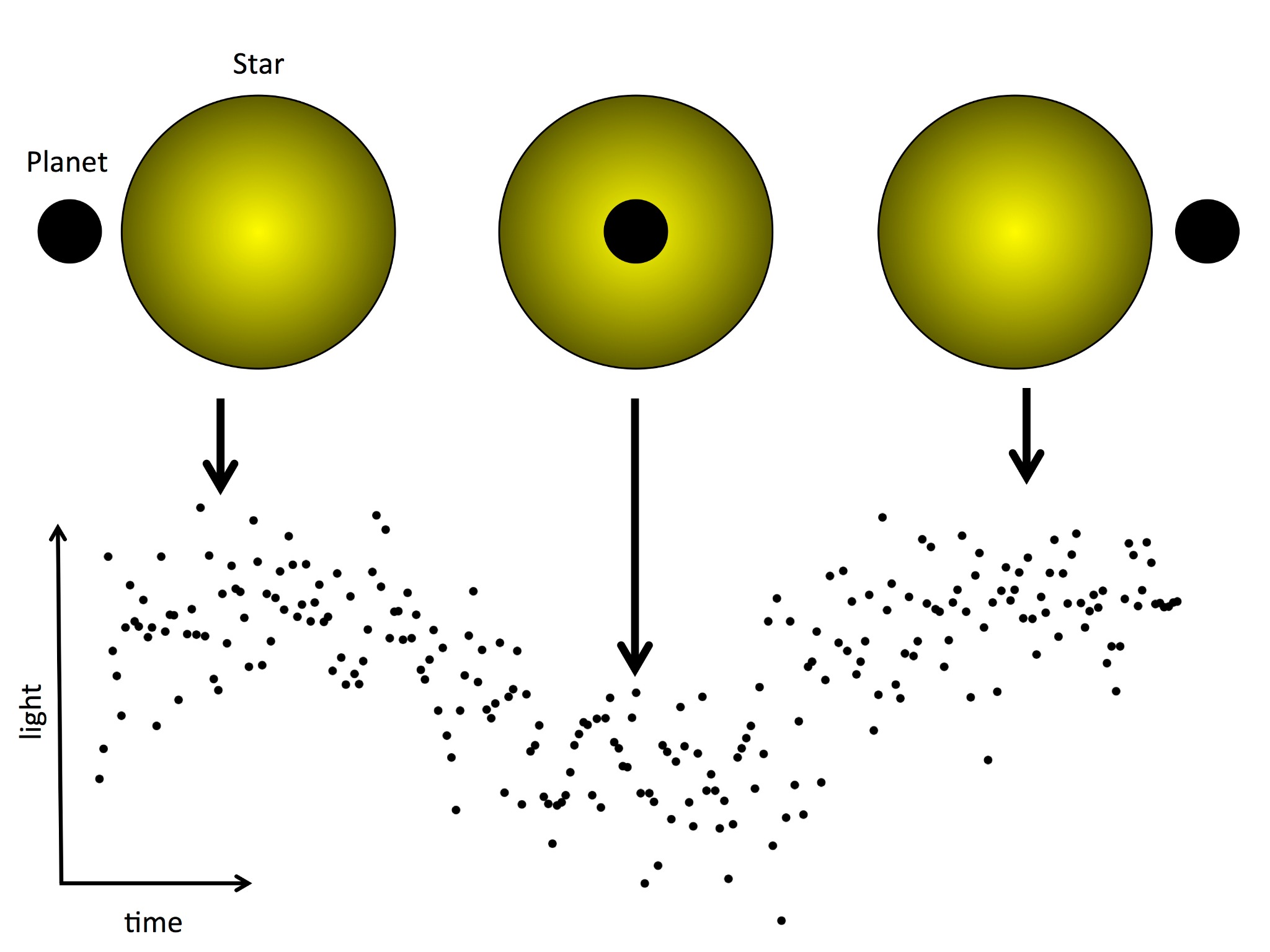
An illustration of the transit signal: the star appears dimmer while the planet crosses in front of it, then returns to its usual brightness.
What we observed
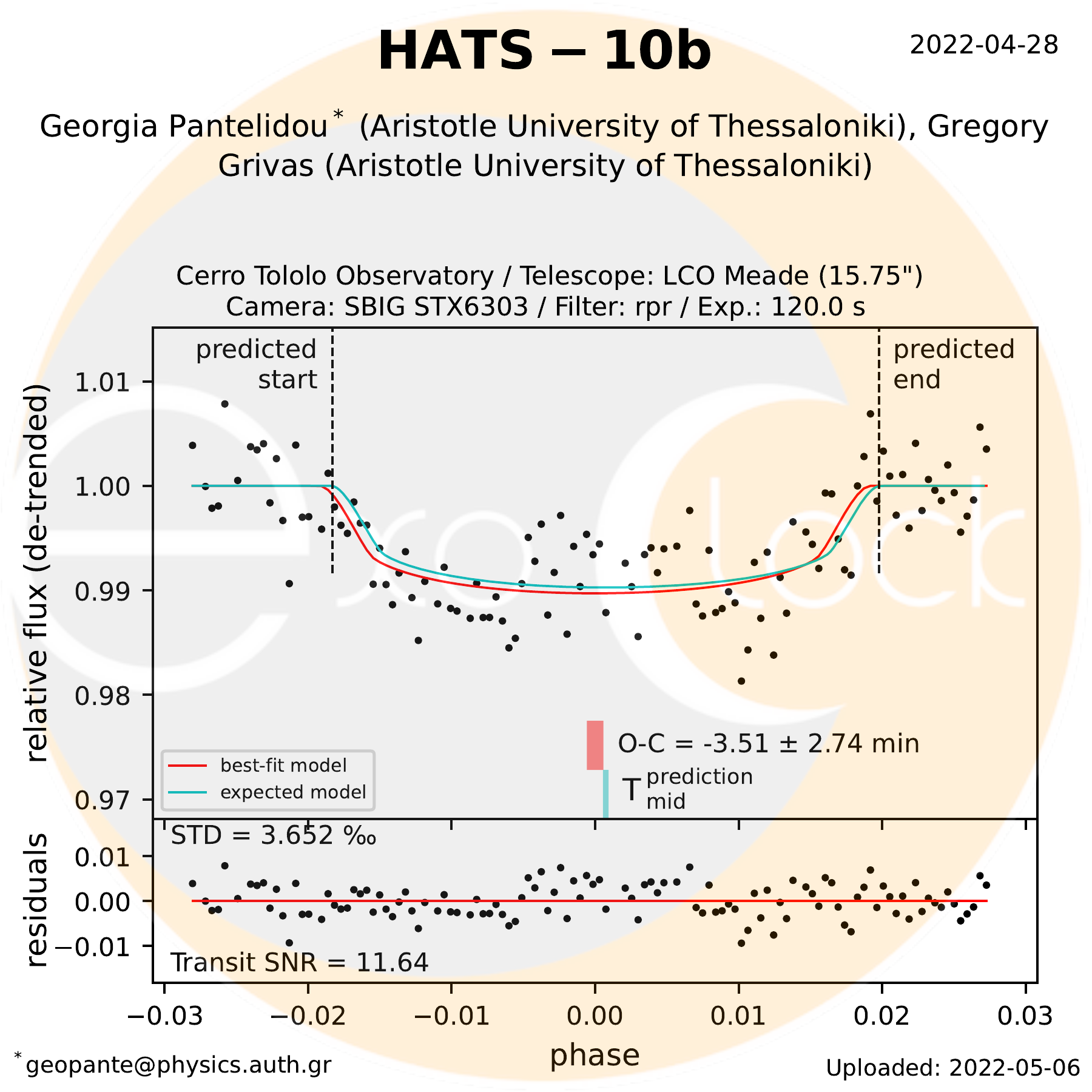
This transit light curve of HATS-10b is an example of data acquired and analysed through ExoClock Unlocked in 2022, then submitted to the ExoClock database.
Joining ExoClock Unlocked
Two ways to take part. Choose the format that suits how you want to learn.
LEARN TOGETHER
Group
Explore exoplanets with fellow participants through remote observations and guided data analysis.
Duration
6 months
Schedule
January–June 2027
6 sessions · one each month
Language
English
Applications & fee waivers
Apply by 15 December 2026. Up to 30 places are available, with priority given to applicants without observing equipment. No payment is required when applying; successful applicants will be contacted about the next steps.
Two fee waivers are available for participants from under-represented countries. Request one in the motivation section of your application.
€300
Training, tools and personalised assistance included. Telescope observing time is contributed in kind by the project and its partners.
LEARN AT YOUR PACE
Private
Explore the same activities individually, with personalised guidance and a choice of pace.
Duration
6 months
or 3 months · fast-paced
Sessions
6 sessions in either format:
1 per month over 6 months, or
2 per month over 3 months.
Language
English
No application form is required for the Private programme. If you’re interested, contact the team and we’ll plan your participation together.
Contact us for pricing
Email exoclockproject@gmail.com to discuss the details.

